REMONT GLAVE MOTORA

Ovaj deo motora najčešće trpi havarije kada do iste dođe. Pružamo usluge kompletnog remonta svih tipova glava motora, od putničkih do industrijskih.

Šta je glava motora i koja je njena uloga?

Glava motora je gornji deo motora. Naslanja se na blok motora kako bi se zatvorio kompresioni prostor cilindara, mesto u kome motor sagoreva gorivo i proizvodi snagu. U glavi motora nalaze se ventili koji regulišu protok vazduha. Usisni ventili uvlače svež vazduh, potom dolazi do sagorevanja, nakon čega izduvni ventili omogućavaju smeši sagorelog vazduha da izađe iz komore za sagorevanje.

Razlika kod glava motora može biti pre svega u materijalima koji se koriste za izradu istih. Kod novijih tipova motora najčešće se koristi aluminijum kao legura, dok kod starijih tipova motora najčešće se koristi gus.

Kako dolazi do havarije i kako se ona rešava?

Uzroci havarije na glavama motora mogu biti različiti i najčešće nastaju:

Kao posledica lošeg održavanja vozila. Kao posledica neobavljenog velikog servisa u predviđeno vreme pri kome se vrši zamena seta razvoda. Tada dolazi do pucanja zupčastog kaiša ili lanca usled istrošenosti, preko kojih se ostvaruje povezanost donjeg dela motora (bloka) i gornjeg dela motora (glave). Gubitkom povezanosti (faze) klipovi koji se nalaze u bloku motora udaraju ventile koji se nalaze u glavi motora, krive ih ili lome. U ovakvim situacijama motor se gasi.

Usled lošeg podmazivanja motora. Loše podmazivanje motora može biti posledica neredovne zamene ulja i filtera kada dolazi do zaprljanosti uljnih kanala i regulatora pritiska ulja u motoru ili neispravnosti pumpe za ulje. Kao posledica dolazi do habanja pokretnih delova u glavi motora kao što su bregasta osovina, podizači ventila, klackalice…

Ukoliko dođe do havarije, koji su simptomi i koji su sledeći neophodni koraci?

Kod većih i trenutnih havarija nastalih u glavi motora, motor prestaje sa radom. Uzroci havarija mogu biti različiti. Samim tim i simptomi su takvi. Neke slučajeve koji postepeno dovode do oštećenja delova u glavi motora, kasnije do havarija, možemo prepoznati. To su različite promene u radu motora. One se nekada manifestuju gubitkom snage motora, često promenom zvuka rada motora u kome se mogu prepoznati različita “kuckanja, lupkanja, itd.” Ukoliko prepoznamo neku od tih promena, neophodan je pregled vozila od strane servisera (mehaničara) kako bi utvrdio dalje postupke.

Dostupne operacije su:

  • Hidro test glave motora
  • Ravnanje nalegajuće površine
  • Frezovanje sedišta ventila
  • Zamena sedišta ventila
  • Izrada i zamena čaura dizni
  • Ugradnja reducira
  • Zamena vođica i gumica
  • Štelovanje ventila
  • Zavarivanje aluminijuma
  • Vađenje zalomljenih brezona
  • Vađenje zalomljenih grejača i dizni
  • Trnovanje ležišta bregaste

Kako sve to izgleda u praksi?

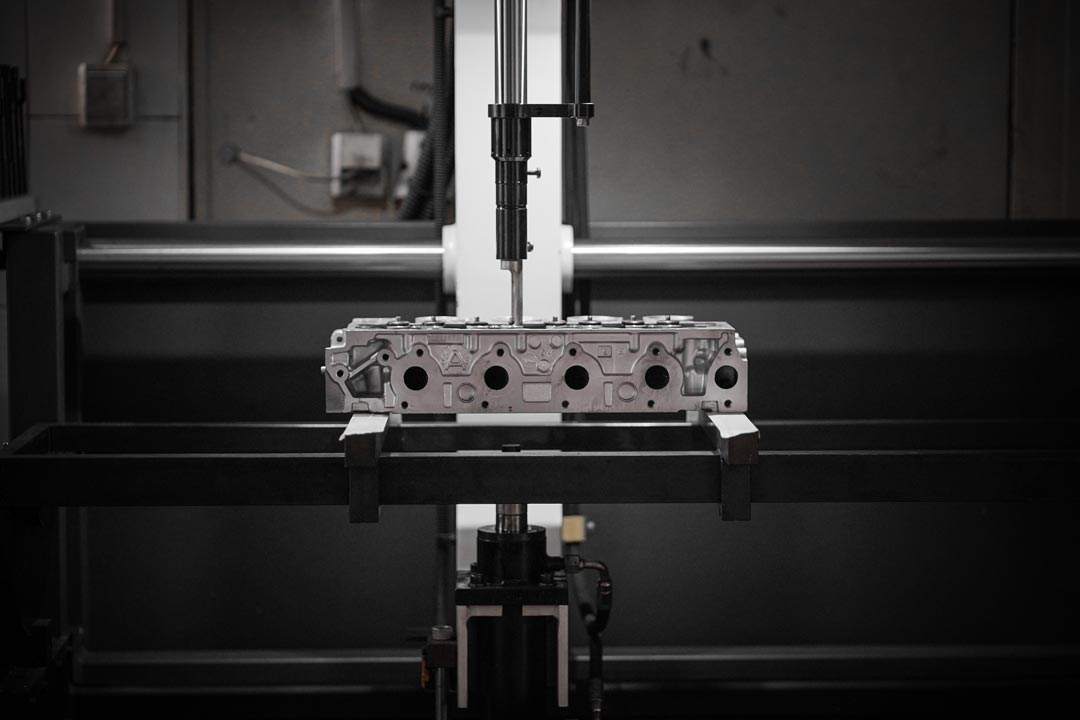
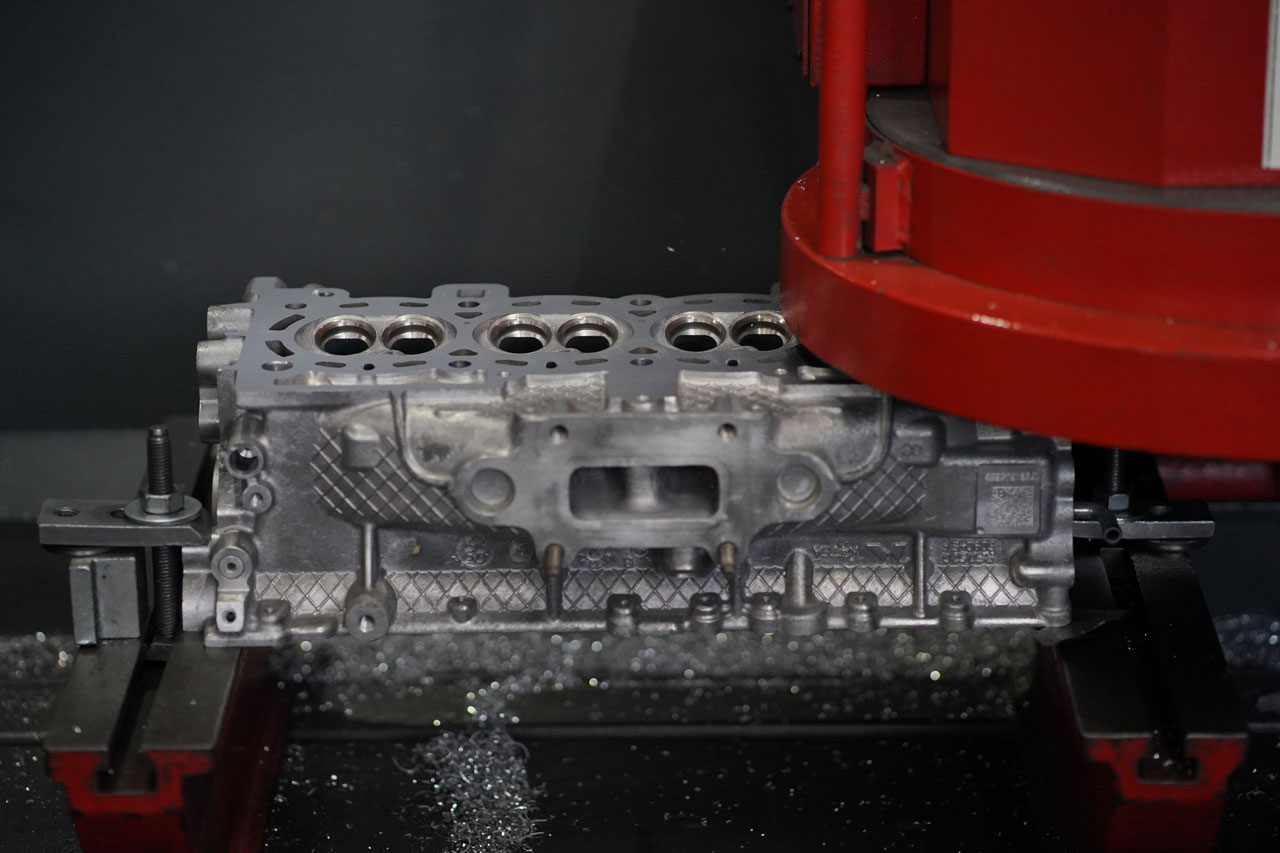
WORK ORDER CREATION In order to speed up the process of finding adequate spare parts, we advise you to prepare the engine number of your car. It can be found in your vehicle's license card. (Only for Serbian clients). ENGINE HEAD DISASSEMBLY The first step is to disassemble the cylinder head. During disassembly, we can see the first causes of the accident as well as damage to the cylinder head. FIRST WASH To give an accurate review, the process of cleaning the cylinder head is the next step. The cylinder head is washed in special machines (ultrasonic tubs) to remove deposits of crusty oil. Some heads are also sandblasted. PRESSURE TEST Pressure test involves testing the cylinder head for cracks in the material. If present, the head must be repaired (welded) before continuing the overhaul process. During the hydro-test, the head is immersed in the testing machine at a temperature of 90 ° C VALVE HEAD GRINDING Before the process of valve grinding, the wear of the stem is first checked. After that, the valve is grinded. Based on these operations, we determine whether the valves are still usable. If they are not, they are replaced with new ones. VALVE GUIDE REPLACEMENT The role of the valve guide is to keep the valves in perfect alignment with the valve seat. Their second role is to conduct heat during the combustion process through the exhaust valves. They change when there is too much clearance between the valve stem and the guide wall. VALVE SEAT CUTTING In order to obtain an ideal fit of the valve head onto the valve seat, the process of cutting (milling) of the valve seat is performed. This process achieves the ideal sealing of the valve on the cylinder head. RESURFACING It is of crucial importance that the cylinder head and cylinder block fit ideally one on top of the other. Sealing these two parts to have factory application is a must, thus the block surface must be ideally flat. FINAL WASH After completing all machining processes, the cylinder head goes through the final washing phase. On this occasion, the newly formed impurities are removed from the machining, and then painting follows. ASSEMBLY This is the final phase of the cylinder head overhaul. At this phase, all parts of the engine head are mounted, and if the head is without a hydraulic valve tappet, then it is adjusted in manually to achieve uniform engine operation. FINAL CONTROL After the cylinder head has been assembled, we proceed with final inspection to establish discover potential omissions if they have occurred. Firstly we check if the valves hold using the vacuum test, and then the quality of the finishing as well as the aesthetic standard we stand behind. PACKAGING Finally, each repaired part of the engine is packed in a protective bag to prevent foreign bodies from entering the treated part. Inside the package you can also find our warranty card / measuring sheet with the exact machining measures.